A child can look healthy while missing key nutrients, losing ground on a growth chart, or developing eating habits that affect energy, learning, immunity, and dental health. By the end, you will know which benefits to expect, when to seek help, what a first consultation includes, and how to judge whether a nutrition plan is working.
Key takeaways
- Match portions, textures, and nutrients to your child’s age and development.
- Seek advice for poor growth, restricted eating, fatigue, or ongoing digestive symptoms.
- Bring growth records, diet details, medicines, and supplement labels to the first visit.
- Review supplements and progress with your child’s pediatric and dental care team.
How nutrition guidance supports growth at every age
Age-specific nutrition guidance helps a child gain height and healthy weight, build muscle and bone, fuel brain development, and maintain energy for learning. It also supports immunity, sleep, appetite regulation, and concentration by matching food texture, portions, and nutrients to the child’s stage.
These are key benefits of pediatric nutrition guidance in Nagpur and any growing community.
- Infants need breast milk or suitable formula, safe introduction of complementary foods around six months, and attention to iron, vitamin D, texture, and feeding cues.
- Toddlers and preschoolers need repeated exposure to varied foods, adequate fats and protein, and routines that reduce choking risks and mealtime conflict.
- School-age children need balanced meals and snacks that support activity, attention in class, steady energy, and strong bones.
- Adolescents need increased energy, protein, iron, calcium, and vitamin D during rapid growth, while guidance can prevent harmful dieting and excess sugary drinks.
A nutrition professional reviews weight, length or height, and BMI when appropriate against age- and sex-specific growth standards. The growth pattern over time matters more than one measurement below or above a percentile.
Guidance should improve food quality and family routines without imposing unnecessary restriction. It can also identify undernutrition, excess weight, restrictive eating, nutrient deficiencies, or feeding problems before they affect school performance or physical development. Ask for measurable follow-up when growth, symptoms, or food acceptance need monitoring.
Signs that your child needs a nutrition consultation
Book a pediatric nutrition consultation in Nagpur if your child is not gaining weight or height as expected, loses weight without explanation, tires easily, or drops across growth-chart percentiles. One measurement below or above a percentile does not prove a problem; the pattern over time matters more.
| Sign | What it may indicate | Why assessment helps |
|---|---|---|
| Poor weight gain, weight loss, or slowed height gain | Insufficient intake, absorption problems, chronic illness, or feeding difficulty | Compares weight, height, and BMI with age- and sex-specific standards |
| Very selective eating or distress at meals | Restrictive eating, sensory difficulty, oral pain, or swallowing trouble | Identifies missing nutrients and safer ways to expand food acceptance |
| Persistent constipation, diarrhoea, vomiting, or bloating | Dietary intolerance, allergy, infection, or another medical cause | Links symptoms with foods, medicines, bowel patterns, and growth |
| Pallor, low energy, frequent illness, or poor concentration | Iron deficiency, inadequate overall intake, or illness | Reviews diet and laboratory reports instead of starting supplements blindly |
| Rapid weight gain or obesity | Excess adiposity, sugary drinks, large portions, low activity, or poor sleep | Builds healthy routines without unsafe rapid weight loss |
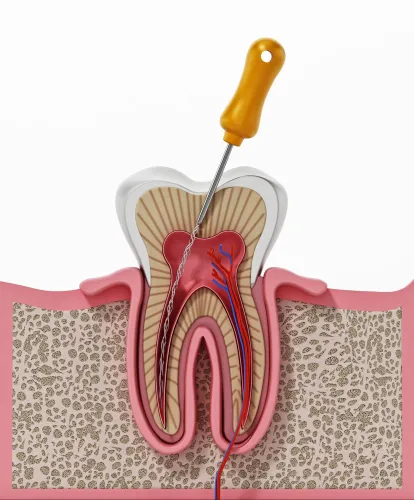
Also seek assessment for painful chewing, recurrent cavities, mouth ulcers, enamel defects, or food avoidance. Dental pain can reduce intake, while frequent sugary foods can worsen oral disease, so coordinated medical and dental review may be needed. Bring a three-day food record, medicines, symptoms, activity, sleep, and family food or budget constraints.
What clinicians measure and investigate at the first visit
A child nutrition expert in Nagpur distinguishes an ordinary diet problem from a medical cause by comparing growth trends with food intake, symptoms, examination findings, and test results. A single measurement below or above a percentile does not establish a diagnosis.
The clinician records weight, length for infants, height for older children, and BMI when appropriate, then plots each result against age- and sex-specific growth standards. Crossing down several percentile lines, persistent weight loss, or poor height gain demands more investigation than one small measurement.
The first assessment usually covers:
- A 24-hour food record, eating schedule, portions, sugary drinks, supplements, food avoidance, and mealtime behaviour
- Medical history, medicines, allergies, bowel symptoms, vomiting, recurrent infections, and family growth patterns
- Activity, sleep, developmental skills, chewing, swallowing, and feeding independence
- Existing laboratory reports, with targeted tests considered for anaemia, celiac disease, diabetes, or organ disease when symptoms and examination support them
Poor intake with an otherwise steady growth pattern may respond to practical diet changes. Poor growth despite adequate intake, blood in stool, persistent diarrhoea or vomiting, dehydration, severe lethargy, or swallowing difficulty points toward medical evaluation rather than routine counselling.
Painful chewing, mouth ulcers, enamel defects, or recurrent caries can also reduce intake, so pediatric and dental assessment may need to happen together.
What a practical Nagpur nutrition plan looks like
A workable plan uses foods your family already buys, school hours, and Nagpur’s heat rather than an expensive “superfood” menu. A child might have poha with peanuts or egg at breakfast, dal-rice or roti with vegetables and curd in the lunchbox, and usal, khichdi, fruit, or paneer at home.
Adjust portions to age, appetite, activity, and growth—not adult serving sizes.
- Pack a filling school snack, such as fruit with roasted chana, idli, or a homemade sandwich; keep sugary drinks and packaged snacks occasional.
- Offer water regularly during hot months. Send a labelled bottle to school, and serve fresh food promptly instead of leaving milk, curd, or cooked rice in the heat for hours.
- For infants from about six months, continue breastfeeding while introducing varied textures and tastes. Offer suitable foods and respond to hunger or fullness cues; do not force a child to clear the bowl.
- Plan one shared family meal when possible, with changes for allergies, diabetes, celiac disease, kidney or liver disease, or feeding difficulties.
Nutrition support for children Umred Road should become medical care, not a routine menu, after persistent weight loss, dehydration, blood in stool, repeated vomiting or diarrhoea, severe lethargy, or swallowing or breathing difficulty. Child diet guidance Sakkardara also needs review when restrictive eating or a suspected eating disorder appears.
At MOGRE CHILDREN HOSPITAL & DENTAL CLINIC, dental pain or chewing difficulty can be assessed alongside a child’s eating problem.
Related service
Pediatric Nutrition Expert Sangwai Clinics offers comprehensive nutrition services for children with complex nutritional needs. View service → |
Follow-up, supplements, and coordinated care
Set the next review before leaving the consultation. Agree on what will be checked and when: weight and symptoms in 2–4 weeks, height and growth-chart position at a clinician’s interval, food acceptance after a new plan, and laboratory results by the date ordered.
Record meals, snacks, bowel symptoms, appetite, sleep, and supplement doses; do not chase daily weight changes or compare your child with siblings.
- Arrange medical assessment for persistent weight loss, a downward crossing of growth percentiles, dehydration, blood in stool, or ongoing vomiting or diarrhoea.
- Seek urgent care for breathing or swallowing difficulty, severe lethargy, or suspected eating disorder.
- Request dental assessment for recurrent cavities, enamel defects, painful chewing, mouth ulcers, or food avoidance.
Use an oral nutritional supplement only for a documented deficiency or defined medical need, with the product, dose, and review date recorded. A powder or syrup cannot replace varied meals, and excessive vitamins or minerals can cause harm or interact with medicines. Ask whether the child still needs it at every review.
Discuss sugar frequency with the nutrition and dental team. Sweetened drinks and frequent sugary snacks expose teeth repeatedly between meals, increasing decay risk; dental pain can then reduce eating. Coordinated care is valuable when oral disease and poor intake reinforce each other.
Frequently asked questions
How does nutrition guidance support growth at different ages?
Age-specific guidance helps children receive suitable portions, textures, protein, calcium, iron, and other nutrients for growth, brain development, energy, sleep, and appetite regulation.
What signs mean my child needs a nutrition consultation?
Arrange a consultation for poor weight or height gain, persistent fatigue, restricted food choices, feeding difficulty, frequent digestive symptoms, or concern about nutrient intake.
What happens during a child nutrition consultation?
The clinician reviews growth measurements, eating patterns, medical history, symptoms, medicines, supplements, and relevant investigations before recommending practical changes.
What should a practical nutrition plan in Nagpur include?
It should use familiar, affordable foods available to your family, age-appropriate portions and textures, school or daycare routines, hydration, and clear goals for follow-up.
When are supplements or coordinated care needed?
Use supplements when a clinician identifies a deficiency, restricted intake, or increased nutritional need, and coordinate care when medical, feeding, or dental concerns affect eating.
Keywords