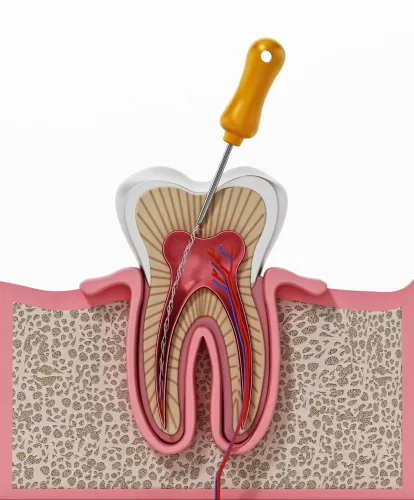
The words root canal treatment often make people nervous, largely because of outdated myths and misunderstandings. In reality, modern root canal procedures are designed to relieve pain, preserve natural teeth, and restore oral function. Knowing when to consult the Best Root Canal Specialist in Nagpur can help prevent further damage and improve the chances of saving an affected tooth.
A root canal is recommended when the soft tissue inside a tooth, known as the pulp, becomes inflamed or infected. This can happen due to untreated cavities, repeated dental procedures, deep cracks, or trauma to the tooth.
Ignoring these problems may eventually lead to severe pain, swelling, or tooth loss.
Common Signs You May Need a Root Canal
Not every toothache requires root canal treatment, but certain symptoms should prompt a dental evaluation.
These include:
- Persistent tooth pain
- Pain while chewing
- Sensitivity to hot or cold that lingers
- Swollen gums around a tooth
- Tooth discoloration
- Recurring gum boils or pimples
- Facial swelling related to dental infection
Some infected teeth may not produce obvious symptoms, which is why routine dental examinations remain important.
How Is a Root Canal Diagnosed?
A dentist begins with a clinical examination and may recommend dental X-rays to assess the condition of the tooth and surrounding bone.
The evaluation helps determine:
- Extent of infection
- Condition of the tooth roots
- Bone involvement
- Whether the tooth can be preserved
Accurate diagnosis ensures that treatment recommendations are appropriate for each patient.
What Happens During the Procedure?
Modern root canal treatment is typically performed under local anesthesia, making the procedure much more comfortable than many people expect.
The basic steps include:
- Numbing the affected tooth.
- Creating a small opening in the tooth.
- Removing infected pulp tissue.
- Cleaning and disinfecting the root canals.
- Filling the canals with a specialized material.
- Restoring the tooth with a filling or crown when required.
The goal is to eliminate infection while preserving the natural tooth structure.
Benefits of Saving Your Natural Tooth
Whenever possible, preserving a natural tooth offers several advantages over extraction.
Benefits include:
- Maintaining normal chewing function
- Preserving natural appearance
- Preventing neighboring teeth from shifting
- Supporting jawbone health
- Reducing the need for more complex replacement procedures
A successful root canal can allow a treated tooth to function for many years with proper care.
Recovery After Treatment
Most patients experience mild tenderness for a few days, which usually improves with prescribed medications or over-the-counter pain relief as advised by the dentist.
To support healing:
- Avoid chewing on the treated tooth until restoration is completed.
- Maintain good oral hygiene.
- Brush and floss regularly.
- Attend scheduled follow-up visits.
- Report persistent swelling or severe pain promptly.
Can Root Canals Be Prevented?
Many cases requiring root canal treatment begin with untreated tooth decay.
Preventive measures include:
- Regular dental examinations
- Professional cleaning
- Early cavity treatment
- Wearing mouthguards during sports
- Limiting sugary foods
- Brushing and flossing consistently
Preventive dentistry remains the most effective strategy for reducing the likelihood of advanced dental infections.
Choosing the Right Dental Provider
Patients seeking the Best Root Canal Specialist in Nagpur should look for experienced professionals, accurate diagnosis, patient education, and modern treatment techniques. A dentist who explains the procedure clearly can help reduce anxiety and support informed decision-making.
Mogre Children Hospital And Dental Clinic provides dental services that include preventive care and restorative treatments for patients of different age groups. The clinic emphasizes individualized treatment planning based on each patient's oral health needs.
Understanding root canal treatment helps patients make timely decisions instead of delaying care until discomfort becomes severe. Early diagnosis and appropriate treatment often allow infected teeth to be preserved, supporting better oral health and reducing the need for more extensive dental procedures in the future.
Keywords