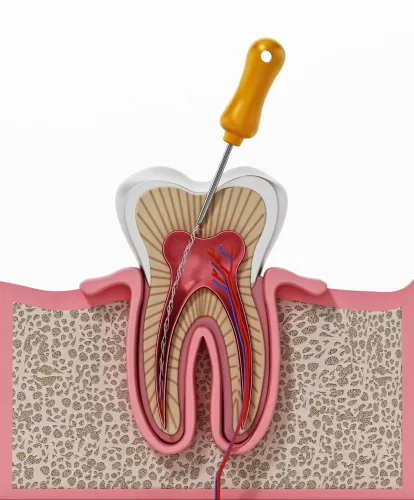
Missing teeth can affect more than appearance. They may influence chewing, speech, confidence, and overall oral health. Fortunately, advances in modern dentistry have made Dental Implants in Nagpur a reliable option for many patients seeking long-term tooth replacement. Before considering treatment, it is important to understand who may benefit from dental implants, how the procedure works, and what factors contribute to successful outcomes.
A dental implant is an artificial tooth root, usually made from biocompatible titanium, that is placed into the jawbone to support a replacement tooth. Unlike removable dentures, implants are designed to become integrated with the jawbone, providing a stable foundation for crowns, bridges, or implant-supported dentures.
Dental implants may be considered for individuals who:
- Have one or more missing teeth
- Have healthy gums
- Possess adequate jawbone support or are suitable for bone augmentation if required
- Maintain good oral hygiene
- Are committed to regular dental follow-up
- Have completed jaw growth
Not every patient is an immediate candidate. Certain medical conditions, smoking habits, untreated gum disease, or insufficient bone volume may require additional evaluation before implant treatment is recommended. A thorough dental assessment helps determine whether implants are the most appropriate solution.
The implant process generally involves several stages. While individual treatment plans differ, the typical journey includes:
- Comprehensive clinical examination and diagnostic imaging.
- Treatment planning based on oral health and bone condition.
- Implant placement under local anesthesia.
- Healing period during which the implant integrates with the jawbone.
- Placement of the final crown or prosthetic tooth.
- Regular follow-up appointments to monitor healing and function.
Healing time varies from patient to patient depending on overall health, bone quality, and the complexity of treatment. Your dentist will provide individualized guidance throughout the process.
One of the biggest advantages of dental implants is that they help preserve jawbone health. After tooth loss, the jawbone in that area may gradually shrink because it no longer receives stimulation from the natural tooth root. Dental implants help maintain bone structure by functioning in a way that is similar to natural tooth roots.
Additional benefits may include:
- Improved chewing efficiency
- Better speech compared to loose dentures
- Stable replacement teeth
- Natural appearance
- Long-term durability with proper care
- Preservation of neighbouring natural teeth, as adjacent teeth usually do not require preparation
Like natural teeth, dental implants require regular care. Good oral hygiene plays a vital role in long-term success.
Patients should:
- Brush twice daily
- Floss around implant-supported teeth using appropriate techniques
- Attend routine professional dental cleanings
- Avoid tobacco use whenever possible
- Follow post-treatment instructions carefully
- Report discomfort or mobility promptly
Many people assume implants are purely cosmetic, but replacing missing teeth also supports oral function and helps distribute chewing forces more evenly. Early replacement may reduce the risk of neighbouring teeth shifting into empty spaces.
When choosing a provider for Dental Implants in Nagpur, patients should look for detailed treatment planning, comprehensive evaluation, transparent communication, and individualized recommendations rather than quick solutions. Understanding the procedure, expected healing timeline, maintenance requirements, and possible alternatives allows patients to make informed healthcare decisions.
Mogre Children Hospital And Dental Clinic provides dental services that include restorative treatment planning based on each patient's clinical needs. Every implant case begins with careful assessment to determine the most appropriate approach for preserving both oral health and long-term function.
Dental implants represent a significant investment in oral health. With proper case selection, skilled treatment planning, and consistent follow-up care, they can provide a stable and functional solution for replacing missing teeth while supporting overall dental well-being for many years.
Keywords